Johannesburg in a Different Light
Johannesburg is a city in motion—its pulse beats in the cacophony of minibus taxis weaving through the streets, juxtaposed in the quiet hum of the Rea Vaya buses carving out a new future for public transport. It can be seen in the towering silhouettes of historic buildings that reflect its layered past. It is a city of contrasts, where history and ambition intersect, where wealth and struggle exist side by side, and where every street corner offers a glimpse into the socioeconomic transformation that transcends the “Rainbow Nation”.
As a street photographer, I move through this city with my cellphone in hand, capturing its many layers through microtography—the practice of focusing on the smallest details that reveal larger truths. There is the hustler’s spirit, evident in sidewalk vendors arranging their goods, keenly aware of the day's revenue targets and contribution to the bottom line. There are the architectural wonders—buildings that span Victorian Colonial, Edwardian Baroque, Neo-Renaissance, and Beaux-Arts styles, each telling a different story about the city’s evolution. There are the public spaces, where murals and plaques whisper the city’s struggle for equality. And above it all, the skyline, an iconic jagged line that signals ambition and change.
Each of these elements could be seen in different ways—some might focus on the grit and the challenges. Yet, I choose to see Johannesburg in a different light, quite literally.
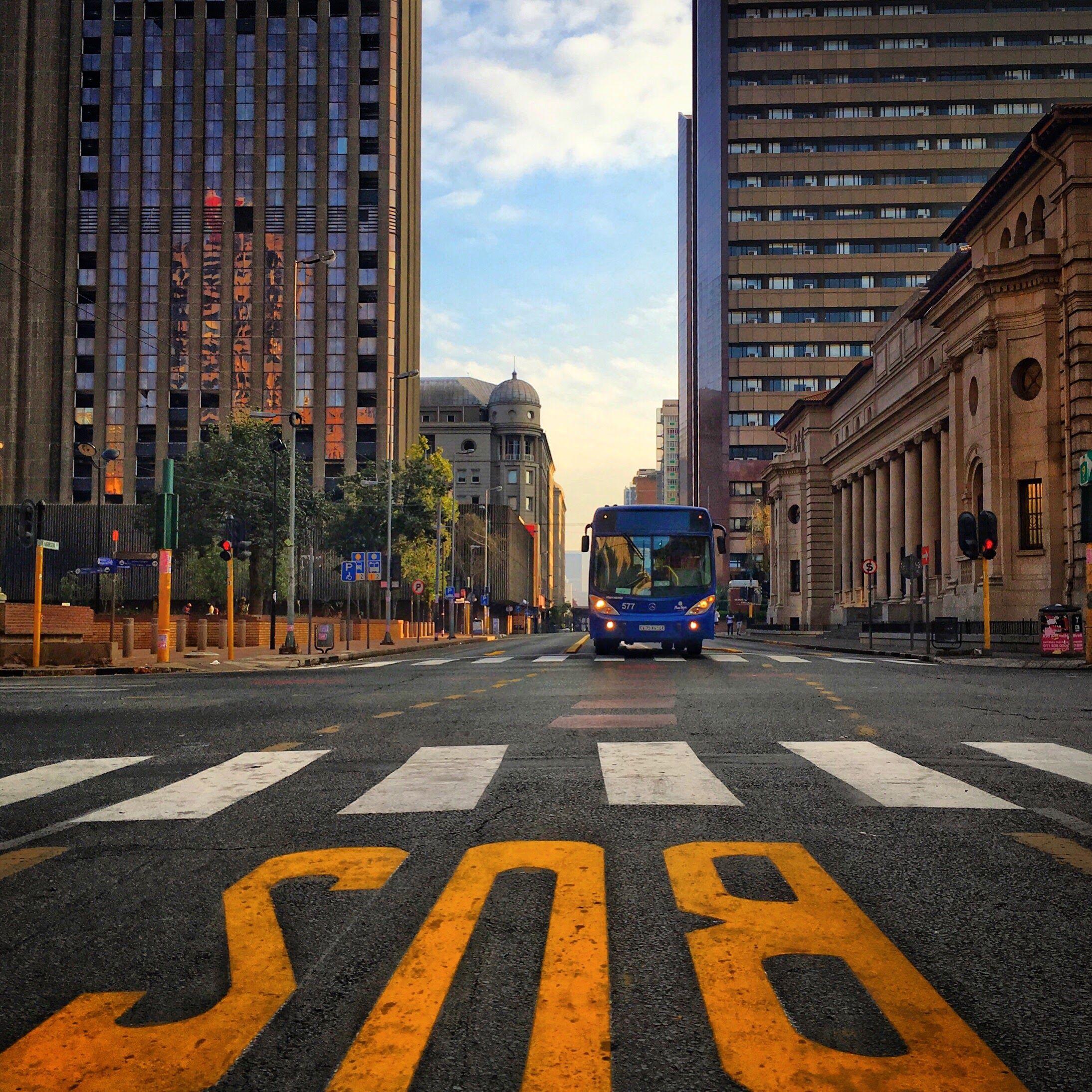
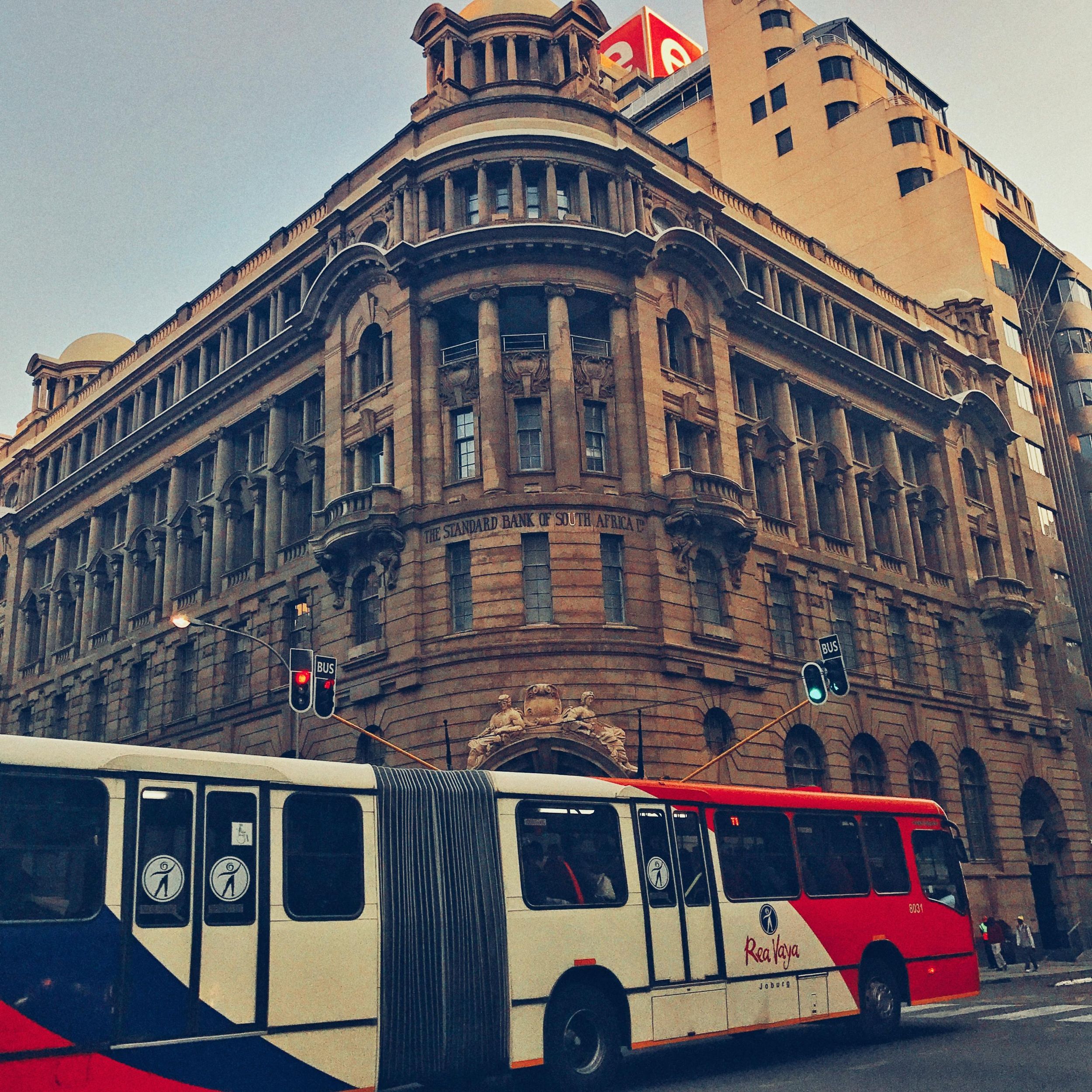
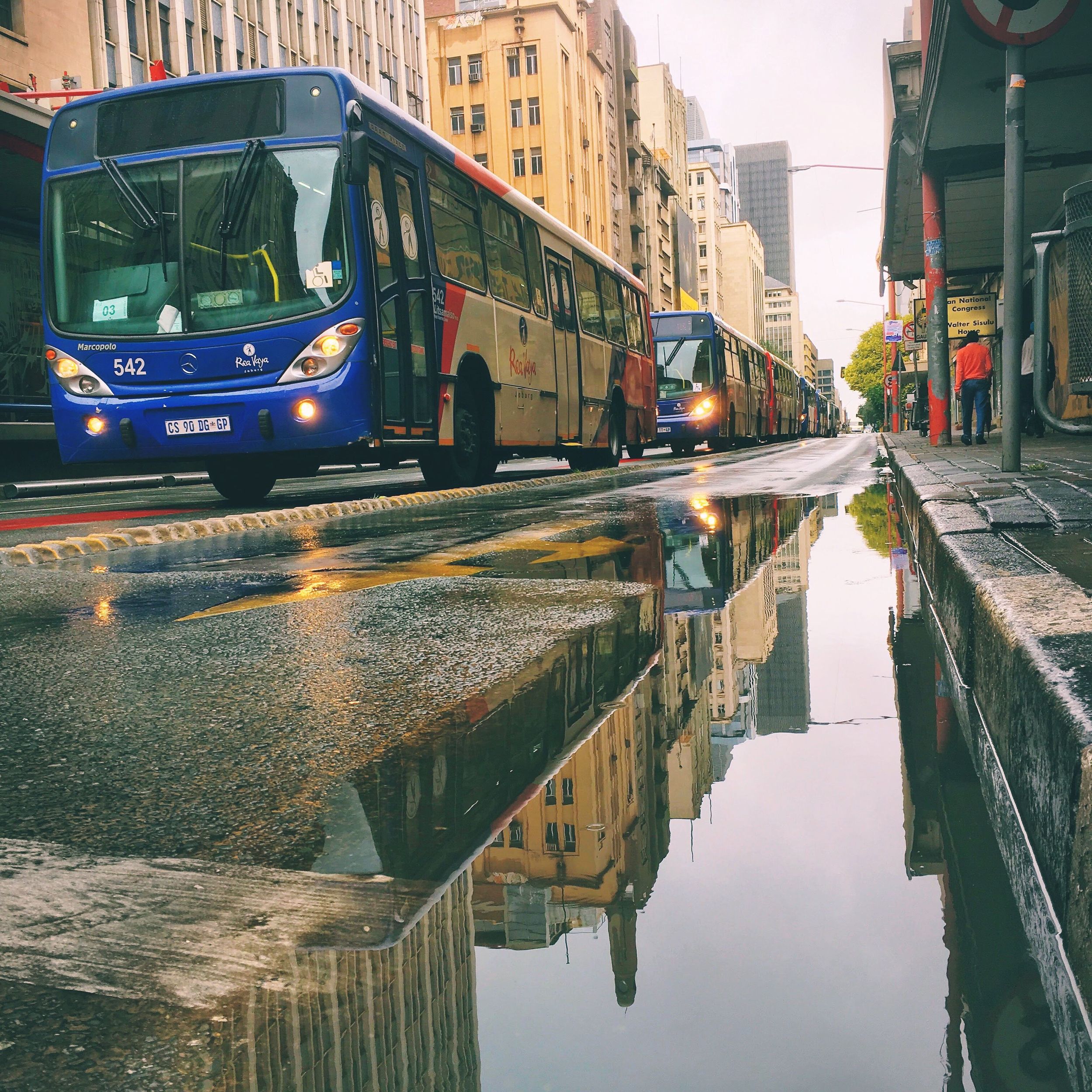
The Power of Light in Perception
Photography is a lesson in perception. The same street can look vastly different at dawn than at midday; the same building can appear menacing in harsh overhead light but inviting in the soft glow of sunset. The way we see something is shaped not just by its physical form but by the light we view it in. This is not only a photographic truth—it is a truth about life.
When I explore Johannesburg, I make conscious choices about when and how to photograph it. I chase the golden hours—just after sunrise and just before sunset—when the light wraps the city in warmth, softening hard edges and illuminating textures that go unnoticed in harsher daylight. In Marshalltown, where Johannesburg’s oldest buildings stand, this light highlights intricate architectural details. The Victorian Colonial structures, such as Victory House, reveal their wrought iron balconies and red brickwork. The Edwardian Baroque influences, once dominant in the city’s civic buildings, show off their ornate facades. The Neo-Renaissance elements of City Hall become more pronounced, and the Beaux-Arts grandeur of the Standard Bank Building takes on a timeless elegance.
This approach is not about romanticizing the city or ignoring its struggles but about highlighting its beauty, resilience, and potential.
Light as a Metaphor for Perspective
Just as in photography, the light in which we choose to see something affects how we engage with it. Johannesburg is often spoken about in terms of crime and decay. But those are just one set of frames, one way of seeing. Shift the light, and the city reveals something else: ingenuity, history, vibrancy, and hope.
As a street photographer, my work is not just about capturing images but about shifting perspectives. By choosing when and how to shoot, I tell a different story—one of a city that is complex but full of life. And perhaps, in doing so, I invite others to see it that way too.
